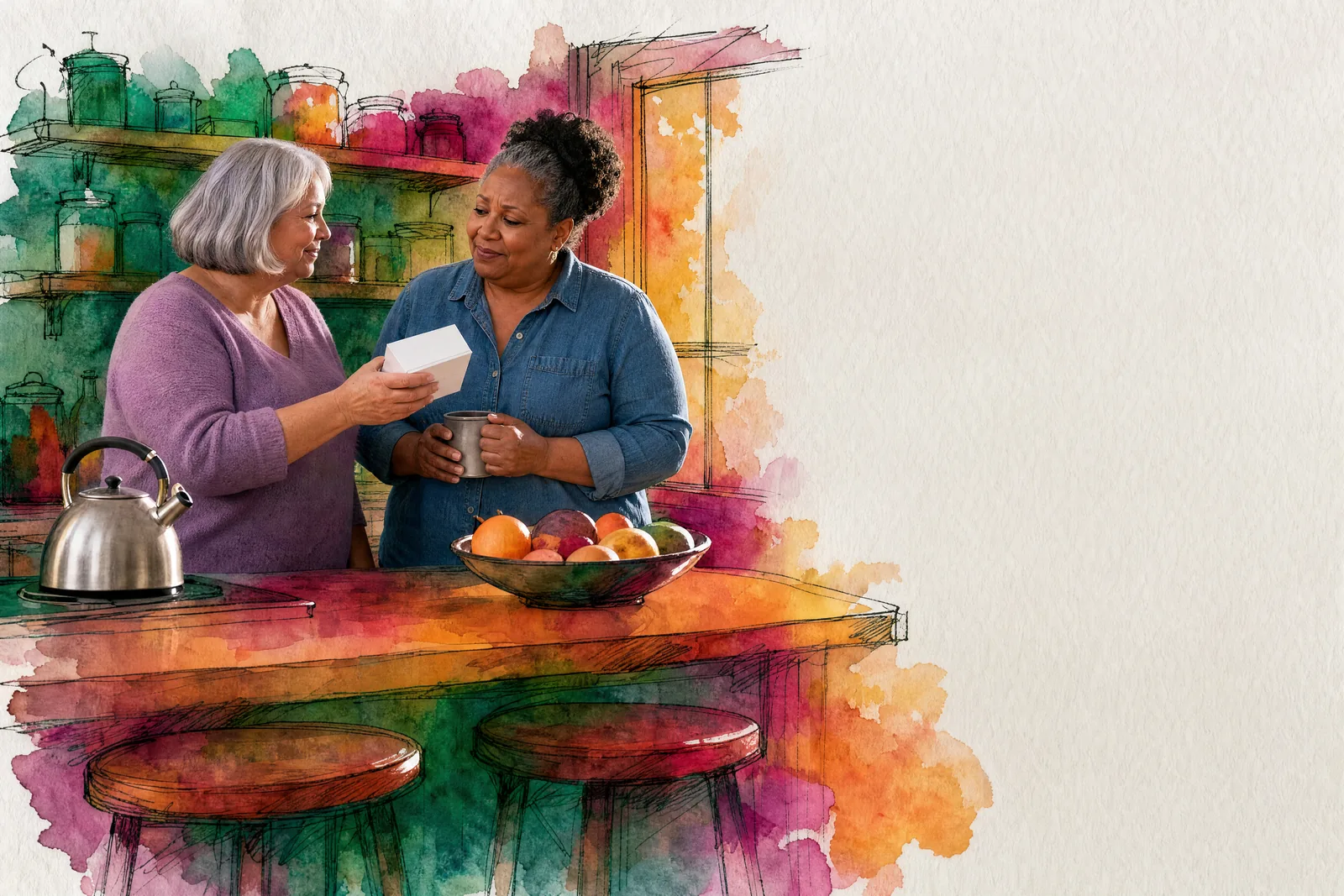
The boxes a friend has left over from her own prescription may hold exactly the medicine you and a clinician have been discussing, and she may be offering them for nothing, but a prescriber chose the amount on the label for her, and no prescriber has yet chosen one for you. Never take someone else's medicine: leave the boxes with her, and ask your clinician for a prescription in your name.
How taking hers differs when the medicine is the same
Taking the same medicine from her box leaves out the part of a prescription that is about you. Each new prescription is the time to tell your health care provider about any allergies or side effects you have had to any medicines in the past, and to tell all your providers about all the medicines, supplements and herbs you take. Whatever went into her prescription was about her.
Taking no other medicine does not rule out an interaction. Drug-condition interactions may occur when an existing medical condition makes certain drugs potentially harmful: a nasal decongestant, for example, could cause an unwanted reaction in someone with high blood pressure. Food and drink can interact with a drug too, and mixing alcohol with some drugs may make you feel tired or slow your reactions. If you do take other medicines, two or more drugs can react with each other. Interactions may make a drug less effective, cause unexpected side effects or make it act more strongly, and some can even be harmful. Ask the clinician you have been talking to whether any condition you have matters with this medicine.
What her name on the label is for
Her name on the label says whom the amount and the timing on it were set for, and that person is not you. When a prescription reaches you, check the label for your name, the name of the medicine, the dose and how often you take it, and if something looks unfamiliar, contact the pharmacy or your provider. On her box, every one of those was written for her.
Her name also ties the box to the pharmacy that dispensed it to her. A local pharmacy can get to know you and the medicines you take, and it is best to fill all your prescriptions at the same pharmacy, so that it has a record of all the medicines you are taking, which helps prevent medicine interactions. A box handed over between friends goes on no pharmacy record of yours, so the pharmacy that fills your prescriptions cannot check it against the rest of what you take unless you tell it. If you see more than one doctor, you and each of them need to be aware of all the medicines you take, and none of them would know about hers unless you told them.
The expiration date on her box matters too: never take expired medicine, and leftovers from a prescription she has stopped may be near that date or past it.
Where her leftover boxes should go
Her leftover boxes should go to a drug take-back location, which can be at a local pharmacy or a police station, or into a prepaid drug mail-back envelope that she mails. For most types of unused or expired medicines, prescription and over-the-counter, the best way to dispose of them is to use a take-back option immediately, and she can find a take-back location near her by entering her zip code on DEA's web page.
If neither option is readily available, the next best option for a medicine on FDA's flush list, which names medicines that may be especially dangerous with just one dose if someone else takes them, is to flush it down the toilet straight away, and no medicine that is not on that list should be flushed. Most others can go in the household trash, mixed with something unappealing such as used coffee grounds and sealed in a plastic bag (see Getting rid of a used needle, leftover vials and the box with your name on it). Some products in uncommon forms, such as sprays, have product-specific disposal instructions, which she can find in the instructions that came with her prescription or get from her pharmacist.
If you have already taken some of hers
Call 911 or head to an emergency room for problems such as trouble breathing, passing out or fainting, seizures, or a severe allergic reaction with swelling and hives. If none of these is happening, phone Poison Help now about the dose you took, before any sign of poisoning appears; the number is 1-800-222-1222, and it reaches your local poison center, where a poison expert can tell you what to do, including any first aid, and may save you a visit to the emergency room.
Taking the wrong medicine or too much of it could cause serious problems, and a medicine prescribed for someone else may be the wrong medicine for you, or too much of it. If you swallowed the wrong medicine or too much medicine, try no first aid at home before you phone Poison Help. Treatment for poisoning depends on the type of poison, so the expert needs to know what you took.
The label has important information, so keep her box beside you while you talk, and be ready, if you can, to tell the expert your age and weight, any health conditions you know of, the product involved, how long ago you took it and whether you have vomited, among other details. Her label names the product. Stay calm while you talk to the poison expert: not all medicines are poisonous, and not all contact with poison results in poisoning.
After you have spoken to Poison Help, if a side effect is unusual or bothersome, contact your doctor's office, and tell them whose medicine it was and what her label named.
Getting this medicine prescribed for you
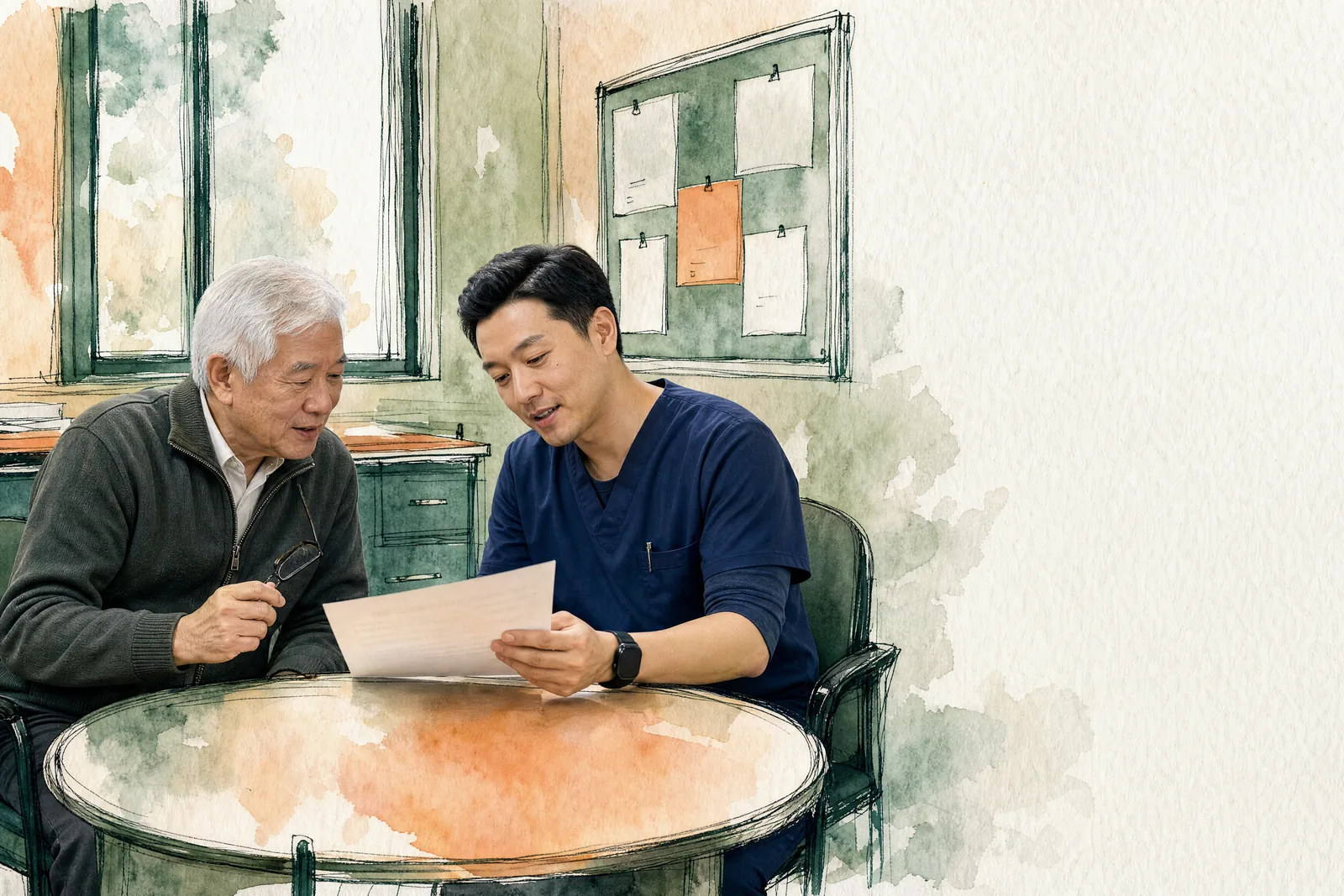
A prescription of your own starts with the clinician you have been discussing the medicine with, or your doctor, and at that visit the questions are about you. Bring a list of everything you take, or better yet the medicines themselves in their containers, and ask what the new medicine is for, what side effects to watch for, and whether it will interact with any foods, drinks or other medicines. Keep that list in your wallet afterwards, so it is with you at all times. Mention the foods you eat as well, along with any vitamins, minerals and herbal products, and once it is filled, ask your pharmacist for the package insert, which has more information about potential drug interactions.
Community health centers are local clinics that adjust their fees based on income and family size, and many have on-site pharmacies that provide discounted prescription drugs, which matters if cost is what makes her free boxes tempting (see Help paying for a prescription you can't afford this month). You can locate a health center clinic near you with the Find a Health Center tool.
If you are considering NicoCares, a physician licensed to practice in your state reads your answers to its health questions, may ask follow-up questions, and decides whether treatment would be clinically appropriate for you, and will tell you plainly if it is not. If you are already a NicoCares patient and took some of hers, phone Poison Help first, since no reply time is given for Spruce messages, and then let your care team know in Spruce what you took.