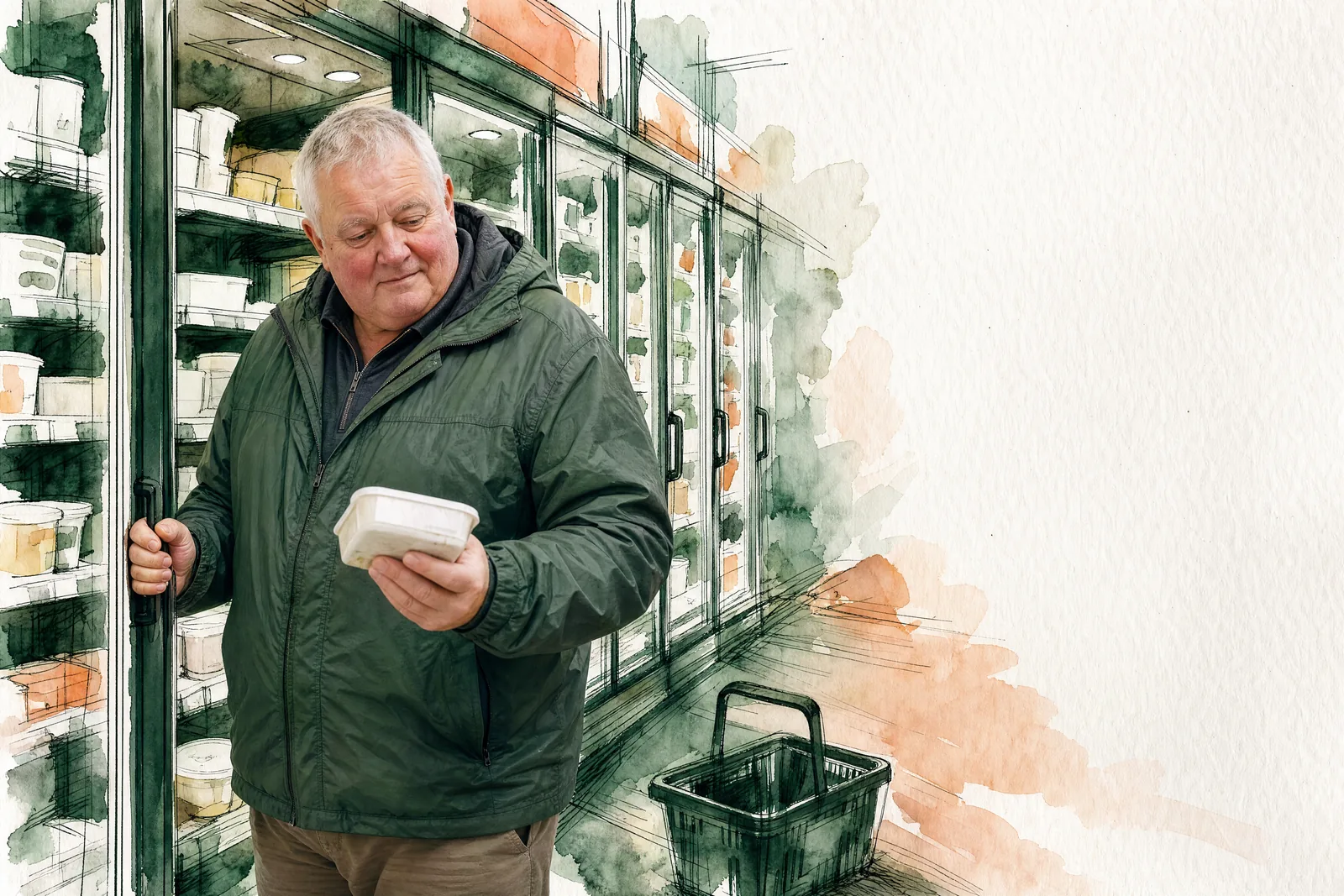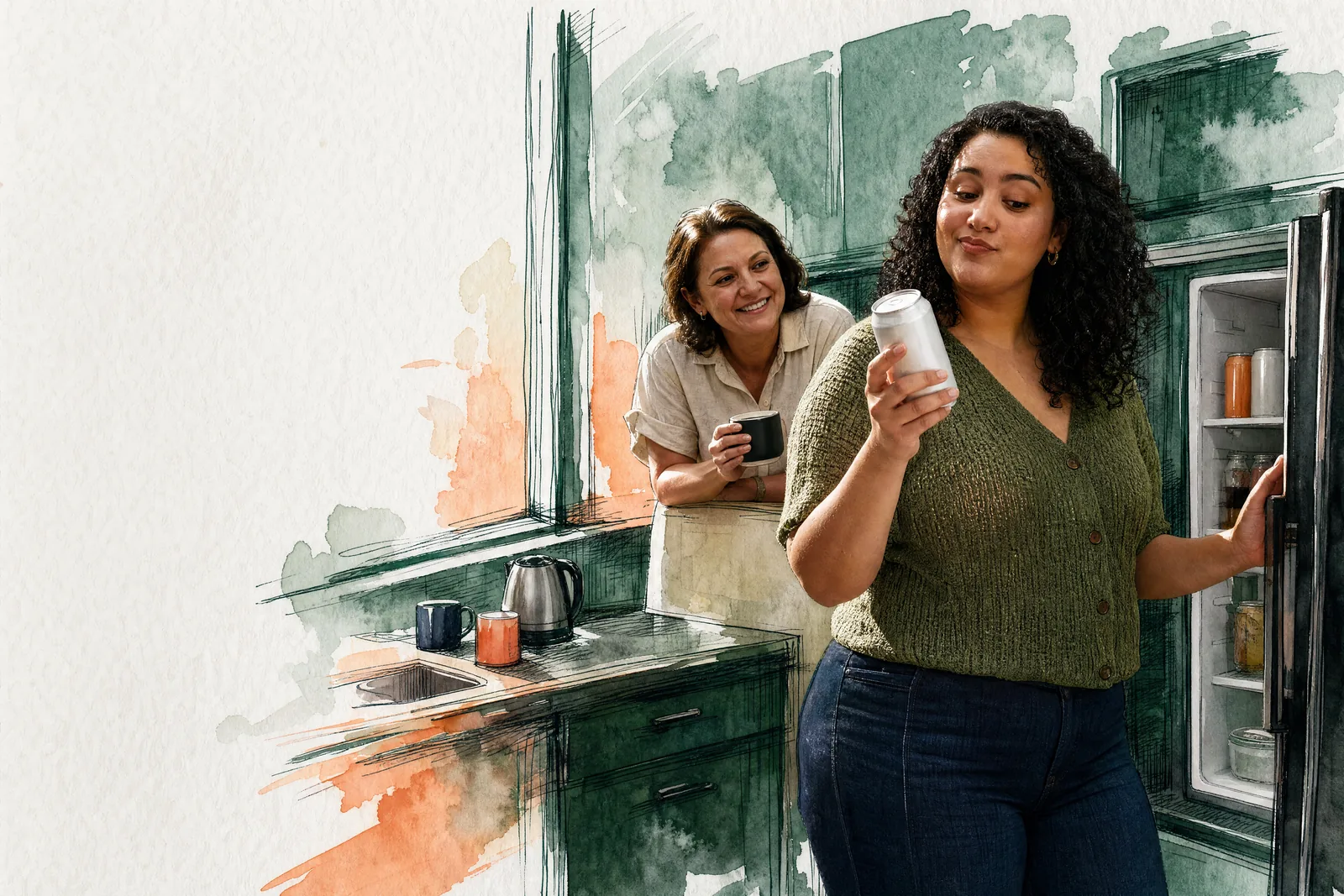
Start with your last grocery receipt. Before the next trip, mark each item on it that you threw out: those are the lines of your shopping list to change, and the rest of the list can stay. Salad leaves and soft fruit are worth buying only for the days you will eat them, with the rest of the week coming from the freezer and the pantry.
Is the waste in the buying or in the fridge?
Food goes to waste either because too much of it is bought or because it gets lost once it is home, and each has its own fix: buying too much is fixed when you write the list, and losing food at home is fixed by where it sits in the fridge and how often you look at it. Comparing what you threw out with the list you shopped from can show which one is costing you. Thrown-out items that were on the list point to the fridge, and ones picked up on impulse in the store point to the list.
Write the list at home, before the trip. As you write it, think about the meals you will make the following week and check the fridge for what you already have, so the list holds only the difference between the two. At the store, buy only what is on it, and eat something before you go, so you are not shopping hungry. Take care with bulk buys, especially of anything with a limited shelf life: a large bag of salad saves money only if it is eaten before it turns.
If you already write a list and keep to it, the fridge is the next place to look. Set aside one space in the fridge for food you think will go bad within a few days, check the fridge often to keep track of what you have and what needs using, and eat or freeze those items before you need to throw them away. Keep peeled or cut vegetables in the fridge so they stay fresh. The fridge itself belongs at 40°F or below to keep food safe, and the freezer at 0°F.
Buying for a smaller appetite than your old list was written for
Buy for the appetite you have now by cutting the short-lived food on the list to the amount you have actually been eating, and let frozen and canned food cover any meal you are unsure of. Some medicines can reduce your appetite, and changes to your body as you age can make some people feel full sooner than they did when they were younger, so a list written before either change can run long. Count the meals you ate at home in the last week and buy fresh food for that many, not for the number you used to cook.
If you are not hungry because food has stopped appealing, the shopping can help. Look for a vegetable, fruit or seafood you have not tried before, or one you have not eaten in a while, and vary the shape, color and texture of what you eat. Season food well, but not by adding extra salt: lemon juice, vinegar or herbs boost the flavor. Overcooked food tends to have less flavor, so try cooking or steaming vegetables for a shorter time and see whether the crunch sparks your interest.
Taste and smell can change too. Growing older, dental problems and the side effects of medicines are among the things that can cause your senses to change, and smoking and drinking alcohol can also affect your sense of taste. If food is hard to chew, see your dentist to check for problems; if you wear dentures, the dentist can check the fit. If slicing and chopping are a struggle, look for pre-cut fruit and vegetables.
Eating less than you used to still means getting the number of calories that is right for you, not too much and not too little. The number of calories people need each day varies by individual; always discuss your weight and fitness goals with your doctor before you make big changes to how you eat.
Groceries that will not spoil before you get to them
Frozen and canned food keep far longer than fresh, so buy those for the meals you are least sure of eating. Food stored constantly at 0°F will always be safe, and only its quality suffers with lengthy freezer storage.
Freezing keeps most foods from going bad until you are ready to eat them, though not all. You can freeze almost any food, but some do not freeze well, and lettuce, mayonnaise and cream sauce are among them. Salad leaves are the part of the list the freezer cannot rescue, so buy them for the next few days only. Freeze items you will not use quickly sooner rather than later, since food frozen at its best tastes better once thawed than food frozen near the end of its useful life.
The freezing process itself does not destroy nutrients. If you freeze fresh vegetables yourself, most of the ones that freeze well need blanching first, a brief, partial cook in boiling water or a microwave, followed by a quick chill. The FoodKeeper App has information on how long different items can be stored in the freezer.
Unopened canned goods keep longest in a cool, dry place, so store them away from the stove, the space under the sink and a damp garage or basement. Check the pantry every few weeks and use the cans you have had for a while. At the store, pass over any can that is bulging, rusted, leaking or deeply dented. Some canned ham and seafood is not safe at room temperature, and is labeled "Keep Refrigerated".
Once a can is open, it keeps for days in the fridge, so buy a size you will finish in that time. These are the storage times for shelf-stable food, unopened and opened:
| Food | Unopened, on the shelf | Opened, in the fridge |
|---|---|---|
| Low-acid canned goods, such as carrots, corn, spinach, beans, beets and peas | 2 to 5 years | 3 to 4 days |
| High-acid canned goods, such as tomatoes, peaches, pears, pickles and orange or grapefruit juice | 12 to 18 months | 5 to 7 days |
| Rice and dried pasta | 2 years | 3 to 4 days once cooked |
Confusion over date labels accounts for an estimated 20 percent of consumer food waste, so check which date a package carries before you throw it out. A "Best if Used By" date marks when a product will be at its best flavor and quality; past it, look the food over for signs of spoilage, and if it has changed noticeably in color, consistency or texture, you may want to avoid eating it. On shelf-stable food, dating is for quality, not safety, and a shelf-stable product can be used safely after its "sell-by" date.
Bringing the cost down at the same time
Cutting the cost starts before the list is written: decide how much you can afford to spend on food. With that figure set, look at the store's advertising in the newspaper or online for what is on sale, try to plan some meals around the featured items, and consider buying extra nonperishables, such as canned goods, when they are on sale. A shopping list written in advance helps you stick to a budget.
In the store:
- use coupons when you can
- ask the staff whether the store has a senior discount or a loyalty rewards program
- consider store-brand products, which are often the same as more expensive brand-name ones
For fresh food, many nutritious fruits and vegetables, such as bananas, apples, oranges, lettuce, green peppers and carrots, may be reasonably priced, and you can save money by buying fruits and vegetables in season or on sale. A cheap head of lettuce is still money in the trash if it turns before you eat it, since lettuce does not freeze well. If your store sells "ugly" fruits or vegetables, with physical imperfections but not damaged or rotten, they are safe and nutritious and can sometimes be found at discounted prices.
When a lost appetite is something to tell your doctor about
If you lost your appetite after you started a medicine, or it has gone along with feeling down for a few weeks or months, tell your doctor. A lack of appetite can be a side effect of a medicine you are taking, and some medicines also change how food tastes or make your mouth dry; talk with the doctor who prescribed the medicine about any side effects you are having. Whenever a doctor prescribes a new drug for you, ask that doctor about food-drug interactions as well.
Being unhappy can cause a loss of appetite too. Feeling down every once in a while is normal, but if the feeling lasts a few weeks or months, talk with your doctor; help and treatment options are available. If you are not sure you are eating enough, bring your doctor a written record of everything you eat and drink in a day (see No appetite at all? Start by writing down one day of eating).
Has your appetite changed since treatment through NicoCares began? Let your care team know promptly; your physician stays available for side effects for as long as your subscription runs. You write to them in Spruce, a secure app you set up by following the link in an emailed invitation, and the answer comes back there. NicoCares does not handle emergencies, so in one, call 911 or get yourself to an emergency room.