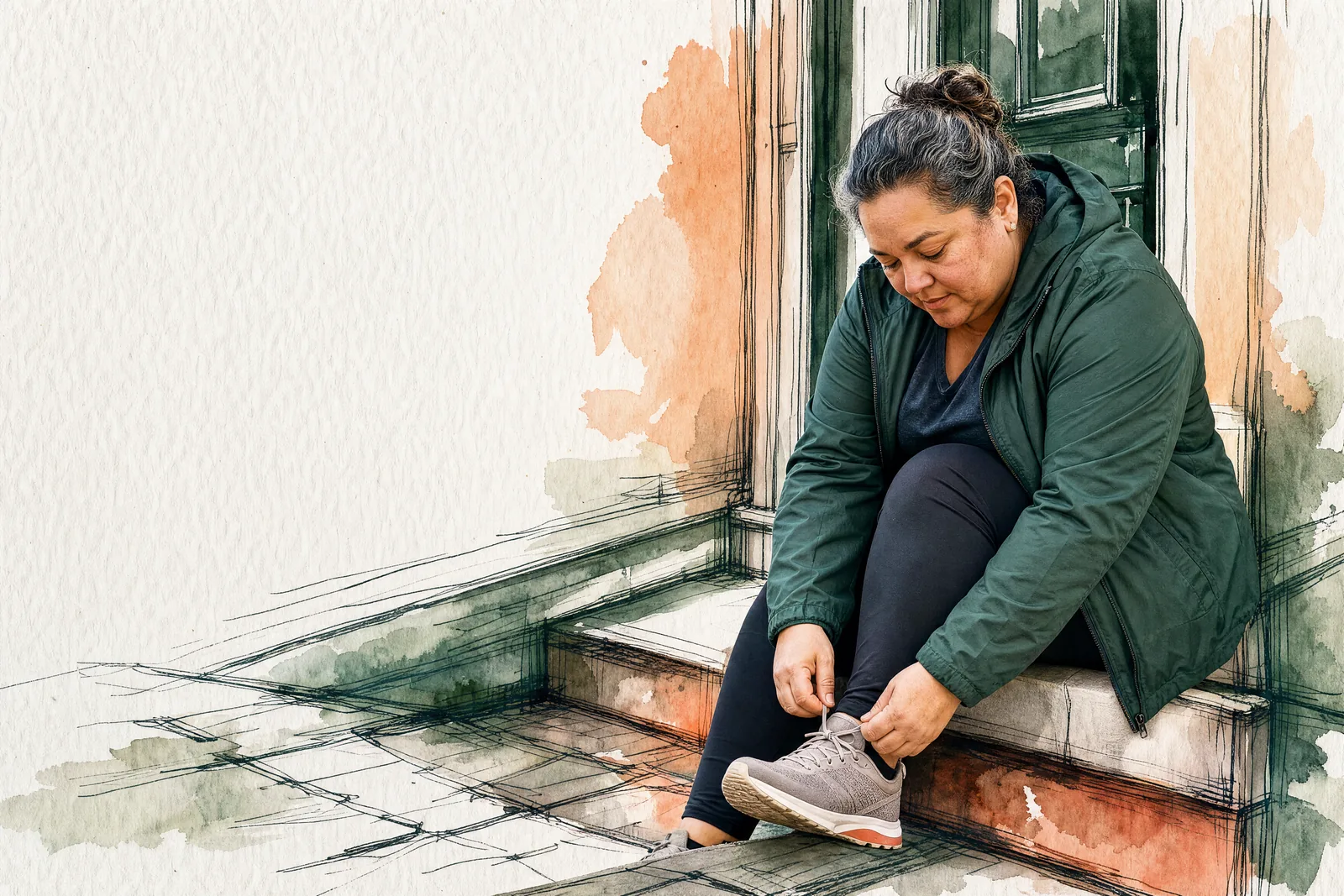
Nerve damage from diabetes can take away the feeling that would tell you about a pebble inside your sock or a blister on your foot, and either one can lead to cuts and sores that can become infected. Diabetes can also lower the blood flow in your feet, and with too little blood reaching them, a sore or an infection can be hard to heal.
Why walking more matters for the same feet you had last week
Walking more means more steps on feet that may no longer report trouble. If nerve damage, called neuropathy, has taken the feeling from your feet, you may not feel the pressure or the injuries that lead to blisters and sores, and diabetes can make those wounds difficult to heal and increase the chance of infection.
Pain is the body's way of telling you something is wrong so you can take care of yourself. Without it, you may miss a cut, blister or sore, and small problems can become serious if they are not treated early. You may have foot problems and feel no pain in your feet, so years without trouble are no reason to put the check off.
Up to one-half of people with diabetes have peripheral neuropathy, a type of nerve damage that typically affects the feet and legs and sometimes the hands and arms. Your feet may feel numb, burning, tingling, painful or weak, and you may also have problems sensing pain or temperature in them.
Neuropathy can show up in how you move as well. Among its possible effects are changes in the way you walk, loss of balance that could make you fall more often, pain when you walk, and problems sensing movement or position. If you have had any of these, tell your doctor before you add distance, and ask which activities are best for you and which to avoid. A near-fall belongs in that conversation too (see Caught yourself on the stairs twice? Tell your doctor).
What checking your feet consists of, and what you are looking for
Once a day, look over each foot, the bottom included, and between your toes; a good way to remember is to do it each evening when you take off your shoes. If bending over to see your feet is hard, use a mirror, or ask someone else to look at them for you.
Look for problems such as:
- cuts, sores or red spots
- swelling, or blisters filled with fluid
- ingrown toenails, where the edge of the nail grows into the skin
- corns or calluses, spots of rough skin caused by too much rubbing or pressure on the same spot
- plantar warts, flesh-colored growths on the bottom of the foot
- athlete's foot
- warm spots
Redness, and any other change to the skin or nails, counts as well. If you have certain foot problems that make a sore more likely, your doctor may recommend taking the temperature of the skin on different parts of your feet. A hot spot can be the first sign that a blister or an ulcer is starting. Cover a blister, cut or sore with a bandage, and call your doctor about it right away.
With nerve damage, you may burn your feet and not know you did, so several of the daily care steps that go with the check are about heat:
| Do | Do not |
|---|---|
| Wash your feet every day with soap in warm water, testing it with your elbow first, and dry them well. | Use hot water. Soak your feet, because your skin will get too dry. |
| Rub a thin coat of lotion, cream or petroleum jelly on the tops and bottoms of your feet. | Put lotion or cream between your toes, because moistness might cause an infection. |
| Ask a foot doctor how to care for corns and calluses, which can become ulcers if you have nerve damage, and use a pumice stone only if your doctor tells you to. | Cut corns and calluses, or use corn plasters or liquid corn and callus removers, which can damage your skin and cause an infection. |
| If you cannot see, feel or reach your feet, or your toenails are thick or yellowed or curve into the skin, have a foot doctor trim them. Otherwise, trim them straight across after washing and drying your feet, then smooth each nail with an emery board. | Cut into the corners of your toenails. |
| Wear shoes at the beach and on hot pavement, and keep your feet away from heaters and open fires. | Put a hot water bottle or heating pad on your feet. |
How to start wearing new sneakers
Wear new sneakers for an hour or two a day at first, until they are completely comfortable, and each time they come off, check your feet for areas of soreness. That look tells you whether a shoe rubs, since your feet may not.
Walking shoes and athletic shoes are good for daily wear: they support your feet and allow them to breathe. Shoes fit best when you try them on at the end of the day, when your feet are largest, so if you have not tried the new pair on in the evening, do that before the first walk.
Before each wear, check inside the shoe to make sure the lining is smooth and free of pebbles or other objects. Wear socks with your shoes to keep from getting blisters and sores, choosing clean, lightly padded socks that fit well; socks with no seams are best. Wear shoes and socks whenever you are up and about, indoors too, and never walk barefoot or in socks alone, because you could step on something and hurt your feet, and you may not feel any pain or know that you hurt yourself.
Nerve damage from diabetes can, though rarely, change the shape of your feet, as in Charcot's foot. If yours have changed shape, you may need special shoes or shoe inserts, called orthotics, and Medicare Part B and other health insurance programs may help pay for these special shoes or inserts, so ask your insurance plan whether it covers yours.
When to call your doctor right away, and what your appointments should include
Do not wait to see whether something heals: if you notice any foot problem, call or see your doctor right away. Among the findings to call your doctor or other health care provider about right away are these:
- a cut, blister or bruise on your foot
- skin on your foot that becomes red, warm or painful, which are signs of a possible infection
- a callus with dried blood inside it, which often can be the first sign of a wound under the callus
- a foot infection that becomes black and smelly, which are signs you might have gangrene
For any of the changes below, do not wait for your next appointment either: see your regular doctor or foot doctor right away.
- Pain in your legs, or cramping in your buttocks, thighs or calves, during physical activity
- Tingling, burning or pain in your feet
- Loss of your sense of touch, or of the ability to feel heat or cold very well
- A change in the shape of your feet over time
- Loss of hair on your toes, feet and lower legs
- Dry, cracked skin on your feet
- A change in the color and temperature of your feet
- Thickened, yellow toenails
- Fungus infections, such as athlete's foot between your toes
- A blister, sore, ulcer, infected corn or ingrown toenail
Leg pain or cramping during activity is the one to watch for on your new walks. If you have no foot doctor yet, ask your doctor to refer you to one, also called a podiatrist.
At each visit with your health care team, take off your shoes and socks in the exam room so they will remember to check your feet. Get a thorough foot exam, including a check of the feeling and pulses in your feet, at least once a year. If you have loss of feeling in your feet, changes in their shape, peripheral artery disease, or foot ulcers or an amputation in the past, ask for that thorough exam at each health care visit instead.
The exam should take in the pulses in your feet and your reflexes, and a test for loss of feeling anywhere in your feet with a tool called a monofilament, and if you have had foot ulcers before, see your doctor every 3 to 6 months. Visit a foot doctor for a complete exam every year as well, and more often if you have nerve damage, so ask the foot doctor how often to come back.
Tonight and before the first walk
- This evening, take off your shoes and look over both feet, soles and between the toes included, with a mirror or another person's help if you need it.
- Before the first walk, check inside your new sneakers, put them on over clean socks, and keep the first wears to an hour or two, looking at your feet each time they come off.
- Print or save this page, and write your doctor's and foot doctor's phone numbers beside the two lists above.
- At your next visit, take off your shoes and socks in the exam room, and ask for the thorough exam of the feeling and pulses in your feet.
Walking is one of several activities that are easy on your feet; others include dancing, yoga or stretching, swimming and bike riding, so if your feet or your balance make walking hard, ask your doctor which of the others suits you. Managing your blood glucose can also help keep your feet healthy (see An A1C result nobody explained, and when to test again).
As a NicoCares patient, you still book the foot exam itself with your own doctor or a foot doctor, and tell your care team promptly about changes in your health, a new sore or a change in a foot's shape among them. You reach the care team in Spruce, a secure app you join through an emailed invitation, and they answer there. For anything on the lists above, see your own doctor or foot doctor right away as well; a message to the care team does not replace that visit. NicoCares is not set up as an emergency service, so for a medical emergency, call 911 or get to an emergency room.